


CAR TYRE PROBLEM
- Sep 8, 2017
- 3 min read
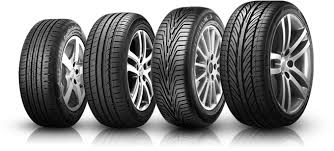

When a tire is being built, the belts must be almost perfectly centered. According to some tire manufacturers, a belt that is out of position more than one millimeter may cause a steering pull on some vehicles. The position of the outermost belt is the most important because it has the greatest effect on directional stability.TIRE VIBRATION PROBLEMSThough vibrations are usually caused by an out-of-balance wheel and tire assembly, it is important to remember that vibrations can also be caused by excessive radial (vertical) and lateral (sideways) runout in the tire, wheel or hub. Loose, worn or damaged wheel bearings as well as certain kinds of tread wear can also cause annoying vibrations.When troubleshooting the cause of a vibration problem, start by inspecting the wheels. Look for evidence of missing weights, mud or dirt packed in the back of the rim or debris embedded in the tread that could create an imbalance. Also, rotate and wiggle each wheel by hand to check for excessive play or noise from the wheel bearings.If your vehicle has alloy rims (particularly a performance or sports type vehicle), tire slippage on the rim may have thrown the assembly out of balance. This can happen if a long-lasting lubricant such as silicone was applied to the rim or tire bead when the tires were mounted. Under hard acceleration or braking, the tire may actually rotate slightly on the rim. The cure? Remove the wheels, put the wheel and tire on a tire machine and break loose both beads. Thoroughly clean both mating surfaces, then reinflate the tire to reseat the beads and rebalance the assembly.If the radial cords in the sidewalls of a tire are not spaced evenly or are damaged, it can create a "waddle" or vibration due to force variations in the stiffness of the sidewall as the tire rotates. This condition, which is referred to as "loaded runout," is most noticeable at low speed (5 to 30 mph), and may also appear as ride roughness at highway speeds (50 to 70 mph). A Tire Problem Detector may be needed to diagnose this kind of problem. This device has a roller that can be positioned under a tire it can be checked for spindle movement while rotating the tire slowly with the weight of the vehicle pressing down on it.Another source of vibration can be uneven tread wear. Run your hand across the tread in both directions. If one way feels rougher than the other (like toe wear), lack of rotation may have caused a heel-and-toe or sawtooth wear pattern to develop on the tread blocks. This kind of wear is most often found on the rear tires of front-wheel drive cars. The wear may be barely perceptible to the naked eye, but is rough enough to produce an annoying vibration at medium to high speeds that feels like a bad wheel bearing. Rotating the tires once this kind of wear has developed is a waste of time because it takes too many miles to scrub off the uneven wear. Replace your tires.Scalloped wear on a tire would tell you the tire is bouncing as it rolls along because it is out-of-balance, out-of-round or the shocks are weak.Be sure to measure tread depth, too. Measuring tread depth at several points around the circumference of the tire will tell you if the tread is wearing evenly and if the depth is equal. A difference of more than about 1/16th inch (.0625 inches) would indicate an out-of-round condition. Most tires should probably have less than .050 inch of radial runout, and some even less depending on how sensitive your vehicle's steering and suspension (and driver) are to vibration.


Comments